
Industrial Safety Equipment & PPE Built for the Way You Work

We start with your application. The product catalog comes second.

From abrasive blasting to surface preparation, SurfacePrep helps connect your application and its hazards with the right safety solutions for your people.
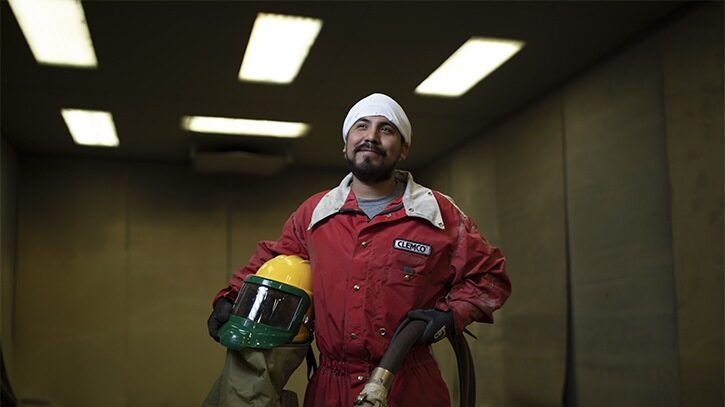
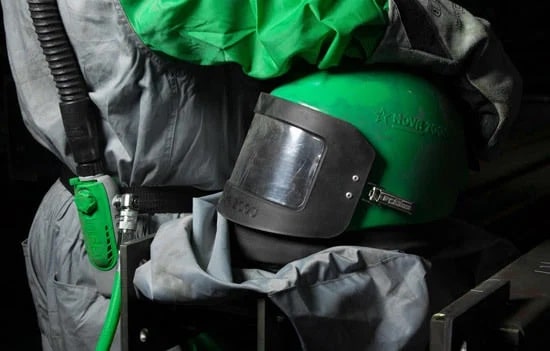
Blast operator holding a supplied-air blast helmet

Shop by Application

Find your process below, and we’ll help you find what it calls for.

Blast helmet and protective clothing for abrasive blasting

Abrasive Blasting

Respiratory and hearing protection, plus the protective clothing and gloves blast operators and support staff need.

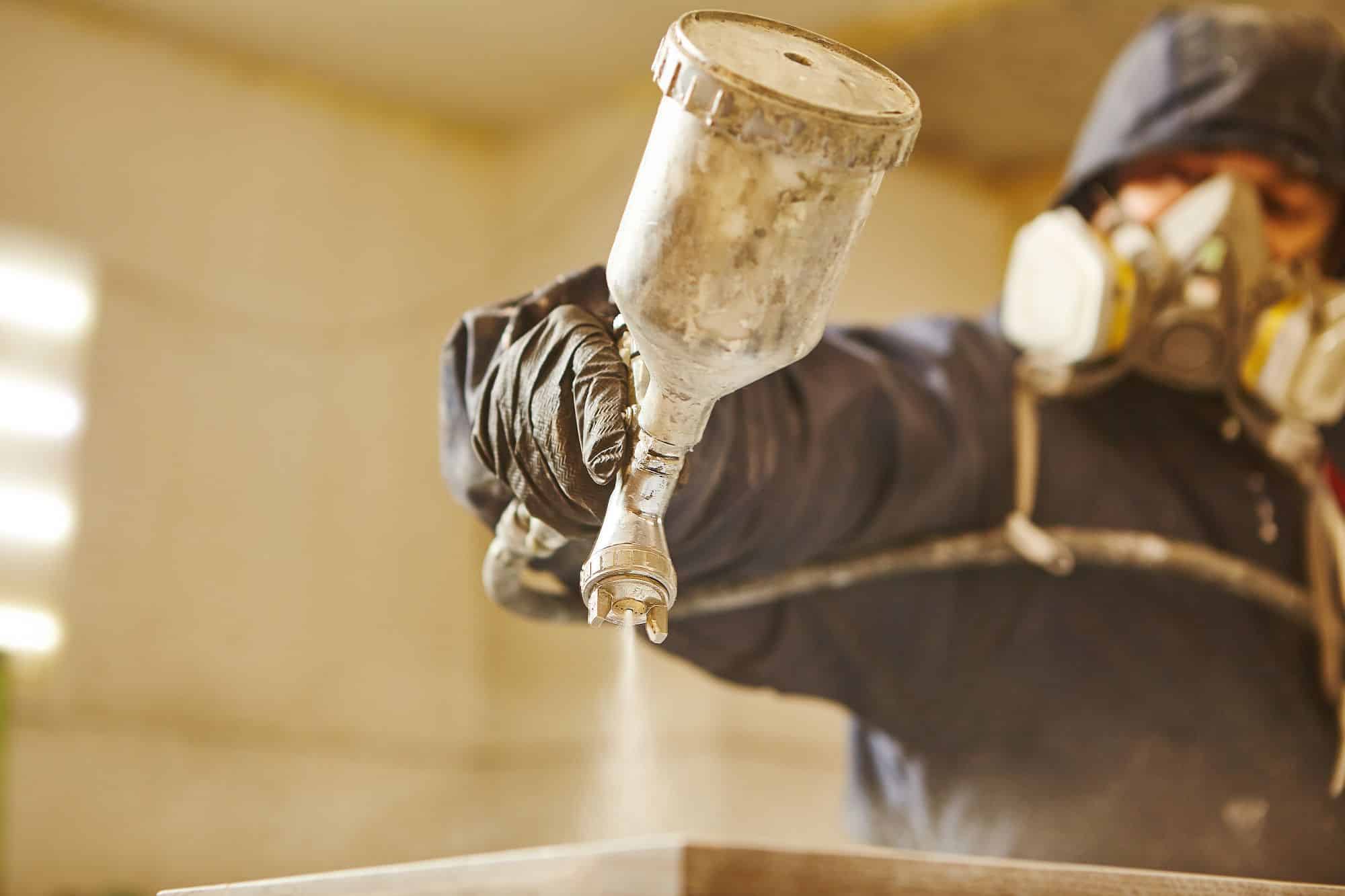
Painter in a respirator using a spray gun

Painting & Coatings

Respiratory and eye protection, plus the skin coverage coating work demands.

Worker in PPE powder coating a metal part

Powder Coating

Respiratory and eye/face protection against overspray and fumes, plus gloves and protective clothing.

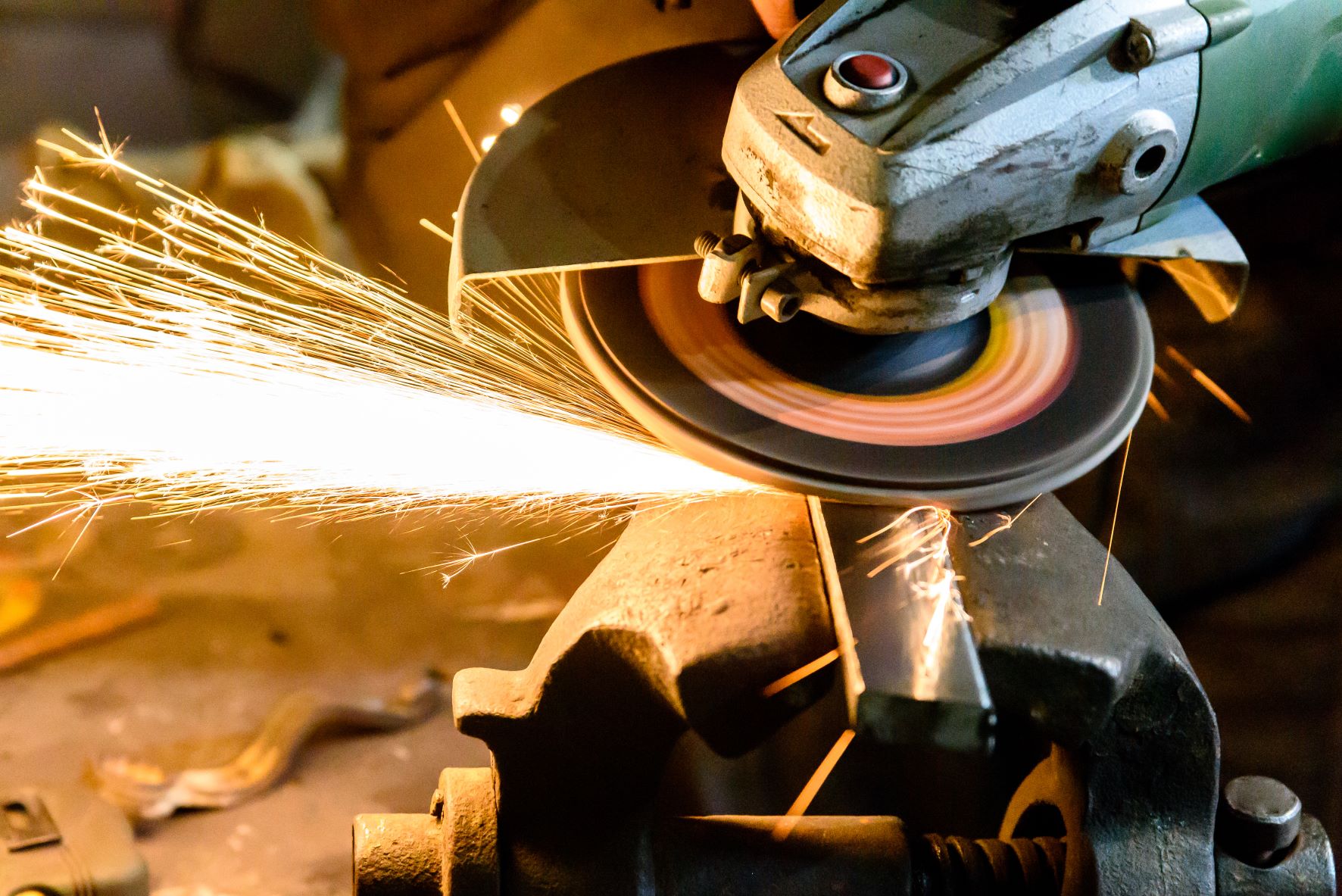
Angle grinder throwing sparks during metal grinding

Welding & Grinding

Protection from sparks and flying particles, plus fume and noise exposure.

Operator wearing earmuffs and gloves at a wide belt sander

Sanding & Surface Preparation

Respiratory and eye protection, plus hearing and hand protection for dust-producing work.

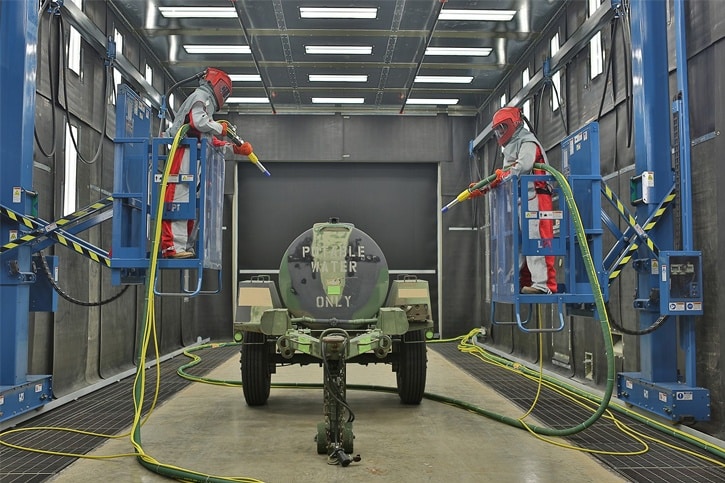
Blast operators on supplied air in a blast room

Supplied-Air Systems

Supplied-air respirators and filtration, plus CO monitoring and airline accessories.

Missing your application here? Talk with our Safety Team about your operation.

Find the Right Protection

Know what type of protection you’re looking for? Browse SurfacePrep’s core safety categories.
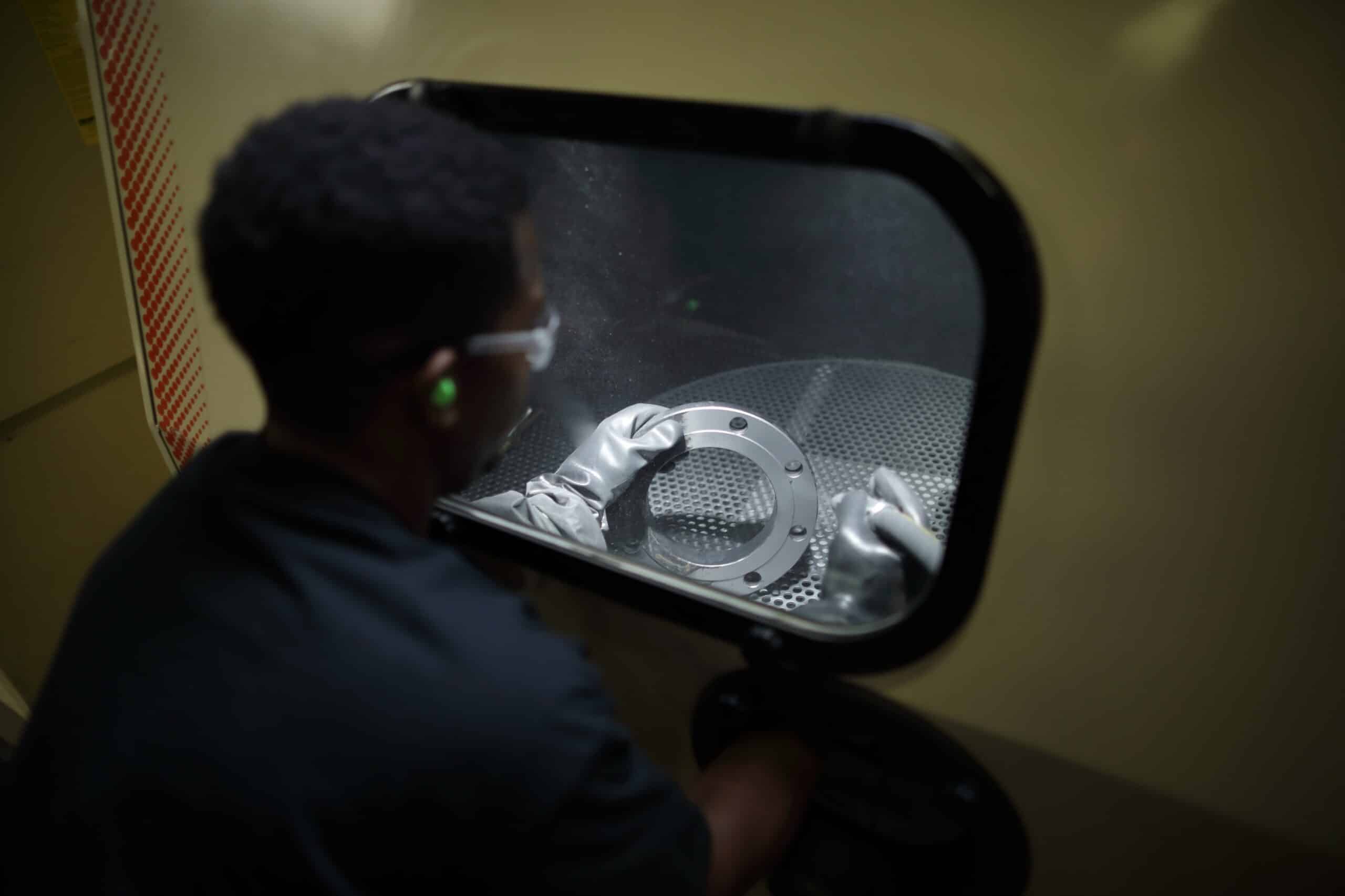
Respiratory Protection

Blasting helmets and half/full facepieces, plus PAPRs and supplied-air respirators. Available in both disposable and reusable options.

Supplied-Air Filtration & Monitoring

Air filters and carbon monoxide monitors keep supplied air breathable, plus the airline components that keep it flowing.

Head, Eye & Face Protection

Safety glasses and goggles for everyday coverage, plus face shields and head protection for higher-hazard work.

Hearing Protection

Earplugs and earmuffs for high-decibel environments, plus communication-focused options for teams that need to stay in contact.

Hand & Arm Protection

Cut-resistant and welding gloves, plus chemical-resistant options matched to the task at hand.

Protective Clothing

Blast suits and welding jackets for heavy-duty coverage, plus coveralls and flame-resistant garments built for blasting and coating work.

Heat Stress Solutions

Cooling vests and fans, plus the accessories that help crews work safely in hot conditions.

Additional Safety Solutions

Dispensers and storage today, with room to grow as new categories are added.

Start With the Challenge

Sometimes the challenge is clearer than the fix. Start with what you’re trying to solve, and we’ll help you find the path there.

  • Improve Respiratory Protection
    Explore options for protecting workers from airborne workplace hazards.
  • Upgrade a Supplied-Air System
    Evaluate your respirators and filtration setup, along with the components that support it.
  • Improve Worker Comfort
    Explore PPE built for comfort and mobility.
  • Reduce Heat Stress Concerns
    Explore cooling and heat-stress solutions for demanding environments.
  • Standardize PPE Across Facilities
    Support consistency across locations and teams.
  • Evaluate a New Process
    Identify safety questions and product categories to consider.
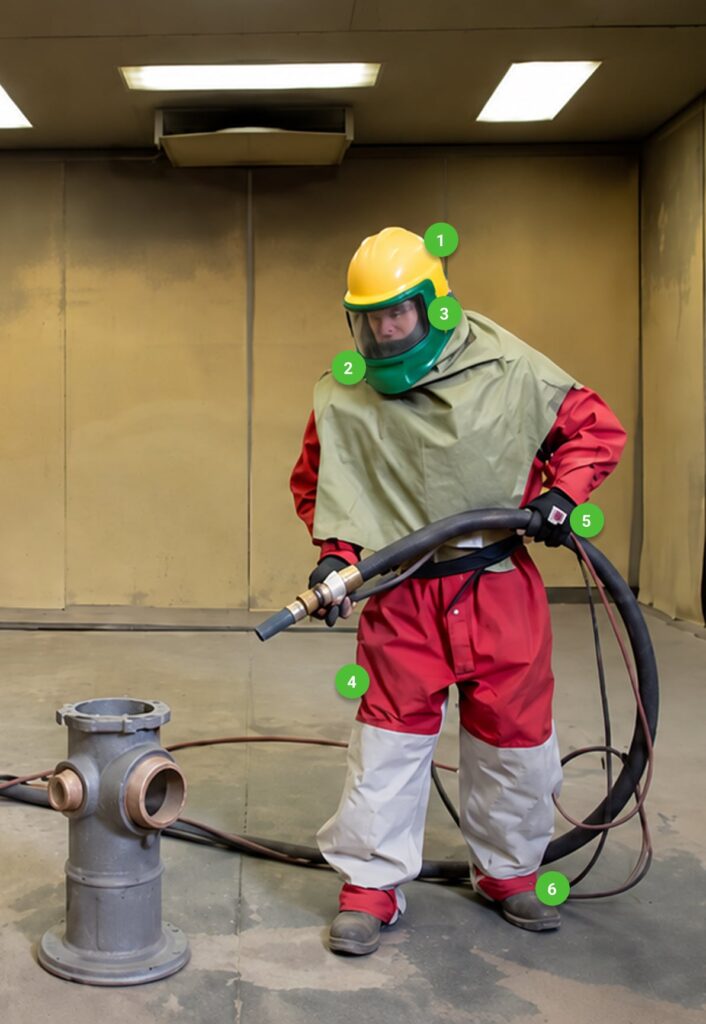
Blast cabinet operator wearing safety glasses and hearing protection

Not Sure What You Need? Start Here.

Selecting PPE starts with understanding the work and its hazards, ahead of picking a product.

1

Application

What work is being performed?

2

Hazard

What hazards or exposures may be present?

3

Environment

Where and under what conditions is the work performed?

4

Worker

What fit and comfort factors matter?

5

Solution

Identify the PPE and equipment that fits.
Need help navigating the options? Our Safety Team can help you ask the right questions and identify solutions for your application.

Abrasive blasting operator in a supplied-air helmet, cape and gloves

Safety From Head to Toe

Explore the PPE and supporting safety equipment commonly used in abrasive blasting.

  1. Supplied-Air Respirator / Blast Helmet: Respiratory protection, plus head and face coverage.
  2. Breathing-Air Filtration & Monitoring: Filtration and monitoring that support supplied breathing air.
  3. Hearing Protection: Earplugs or muffs, added based on workplace noise exposure.
  4. Protective Clothing: Abrasion-resistant blast suits and garments for demanding blasting environments.
  5. Hand Protection: Leather or reinforced gloves, selected for blast media and the demands of the job.
  6. Safety Footwear: Steel-toe or safety-rated boots built for the blasting environment.

More Than PPE. A Safety Solutions Partner.

We start with your process. The catalog comes second.

Understand the Application

We learn what the team is doing and the challenges they’re facing.

Identify Potential Solutions

We connect the application and protection needs with available safety technologies.

Evaluate the Options

We compare product features and system considerations with you.

Support Your Team

We provide product demonstrations and manufacturer resources, plus ongoing training and support.

Have a Safety Challenge? Let’s Talk.

Leading safety technologies. SurfacePrep application expertise.

Compare Your Options

Every application calls for different trade-offs. These guides make the differences easier to understand.

PAPR vs. Supplied-Air Respirators

Half-Mask vs. Full-Face Respirators

Disposable vs. Reusable Respirators

Understanding Supplied-Air Systems

Choosing Protective Clothing

Safety Knowledge Center

Product demonstrations and how-to videos, plus safety training resources.
Workers in disposable coveralls and respirators

Respiratory Protection Basics

Supplied-air blast helmet

How a Supplied-Air System Works

Supplied-air blast helmet product shot

PPE for Abrasive Blasting

Frequently Asked Questions

Abrasive blasting respirators, typically blast helmets, must be NIOSH-approved and supplied with Grade D breathable air or better. The right setup depends on your blast media and enclosure. Talk to a specialist to confirm what your operation requires.

A PAPR uses a battery-powered blower to pull air through a filter, drawing on its own power rather than an outside air line. A supplied-air respirator pipes breathing air in from a remote source instead, which is common in enclosed or high-hazard spaces like blast rooms.

Full-face respirators protect your eyes as well as your airway, which matters most around irritants like paint overspray. Half-mask respirators are lighter and work fine when eye protection matters less.

Yes. OSHA requires fit testing for any employee who wears a tight-fitting respirator, done before first use and at least once a year after that. Talk to a specialist if you need help setting up a fit-testing schedule.

OSHA’s respiratory protection standard (29 CFR 1910.134) calls for a written program and a hazard assessment, plus fit testing wherever respirators are used. That program is your organization’s responsibility; we can help you find the equipment it calls for.

Change intervals depend on the cartridge type and how often it’s used, so there’s no single answer that fits every operation. Many teams set a change schedule as part of their written respiratory protection program. Talk to a specialist if you need help setting one.

A typical abrasive blasting setup includes a supplied-air respirator or blast helmet, a blast suit and gloves, plus hearing protection. The specific combination depends on your media and enclosure.

Yes. Tell us your application and the hazards involved, and our Safety Team can help you narrow down the right categories and products to evaluate.

Safety & Compliance Resources

Understanding the standards that apply to your operation is an important part of selecting worker protection. Explore resources on respiratory protection and broader workplace safety.

Respiratory Protection Programs

Core program elements and SurfacePrep’s educational content

Respirator Selection & Fit Testing

Why hazard evaluation and fit testing both matter.

PPE Hazard Assessment

The role a workplace hazard assessment plays in choosing PPE.

Supplied Breathing Air

Considerations around supplied-air systems and air quality.

Not Sure Where to Start? That’s Where We Come In.

Tell us about your application, process, and safety challenge. Our team can help you identify the questions to ask and connect you with solutions designed for your operation.